 Search
 Health professionals
 mhi hub


Leading the way: 50 Years of Deadly
NAIDOC Week 2026 marks a significant milestone: 50 years of NAIDOC.
This year’s theme, 50 Years of Deadly, celebrates five decades of recognising, elevating and celebrating Aboriginal and Torres Strait Islander peoples, cultures, achievements and leadership. It honours the generations of Elders, leaders, artists, advocates and communities who have shaped the movement and ensured culture and community remain at its centre.
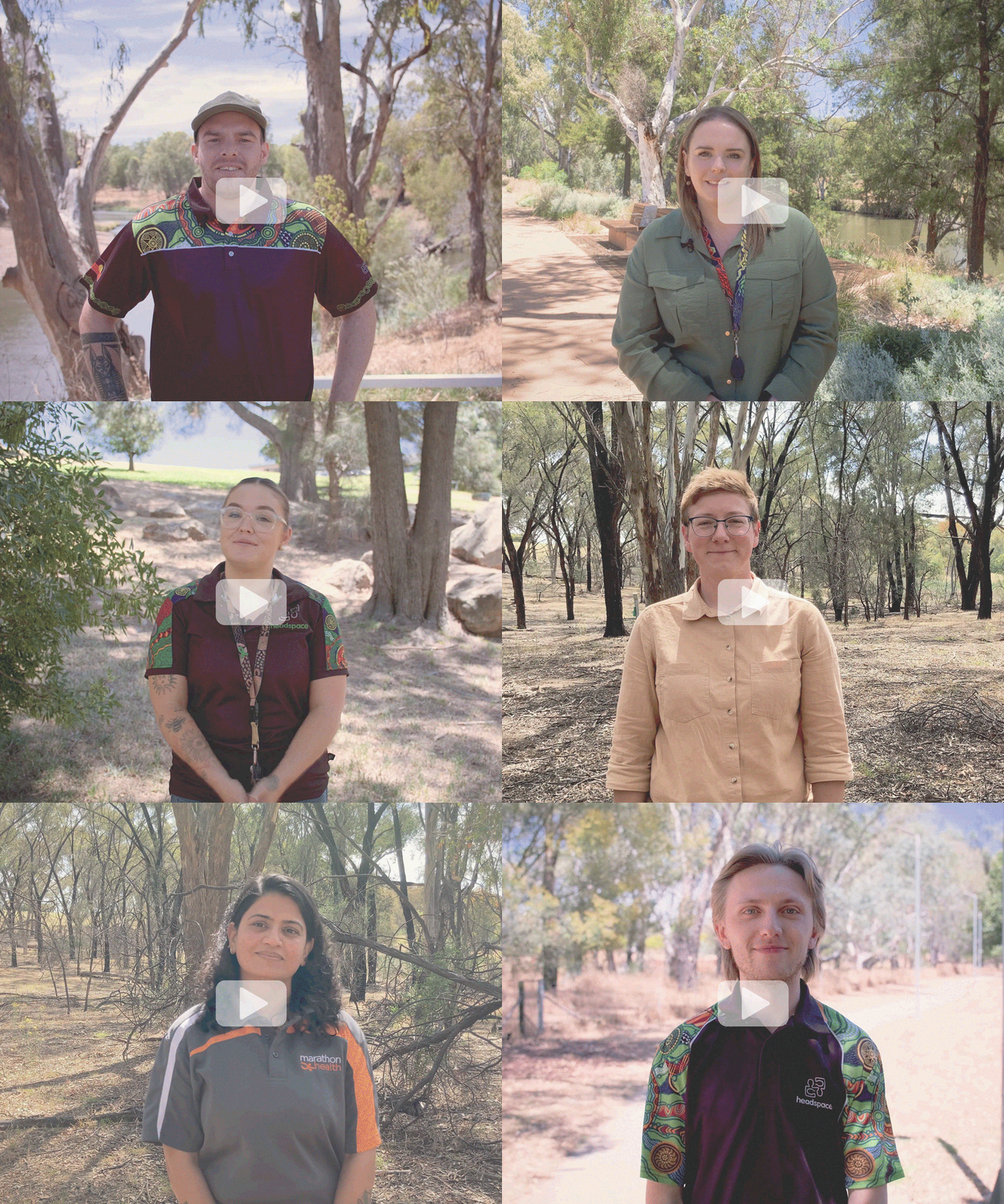
At Ngumbaaydyil 2026, we asked some of our First Nations team members what NAIDOC Week means to them and how they’ll be spending the week.
 For Marathon Health, NAIDOC Week is an opportunity to recognise the enduring strength, knowledge and leadership of First Nations peoples and reflect on our role in contributing to a more equitable and culturally safe healthcare system.
As a health charity working across rural Australia, we know that improving health outcomes requires more than delivering services. It requires listening to communities, building trust, valuing lived experience and creating environments where people feel respected, safe and connected.
Supporting First Nations staff to grow, share their knowledge and strengthen cultural safety is an important part of our commitment to reconciliation.
At Ngumbaaydyil, Marathon Health’s First Nations staff day, staff shared that they wanted greater access to culturally safe mentoring and support, including opportunities to learn from and connect with mentors who understood their experiences. In response, we partnered with TAFE NSW to explore how the Certificate III in Mentoring Aboriginal and/or Torres Strait Islander People could be delivered locally in Dubbo. The initiative was designed to strengthen mentoring pathways and support current and future generations of First Nations staff, while allowing participants to remain connected to Country, family and community throughout their studies.
Together, we developed a delivery model that reflected the needs and experiences of participants while supporting workforce development and cultural mentoring outcomes. The program combined weekly online learning, face-to-face training in Dubbo, cultural discussions and on-Country experiences, creating a learning environment grounded in both professional development and cultural connection.
The collaboration also extended beyond Marathon Health, with places opened to partner organisations and the broader health sector, helping strengthen mentoring capability and cultural understanding across the region.
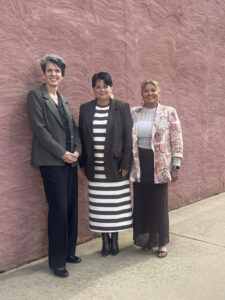
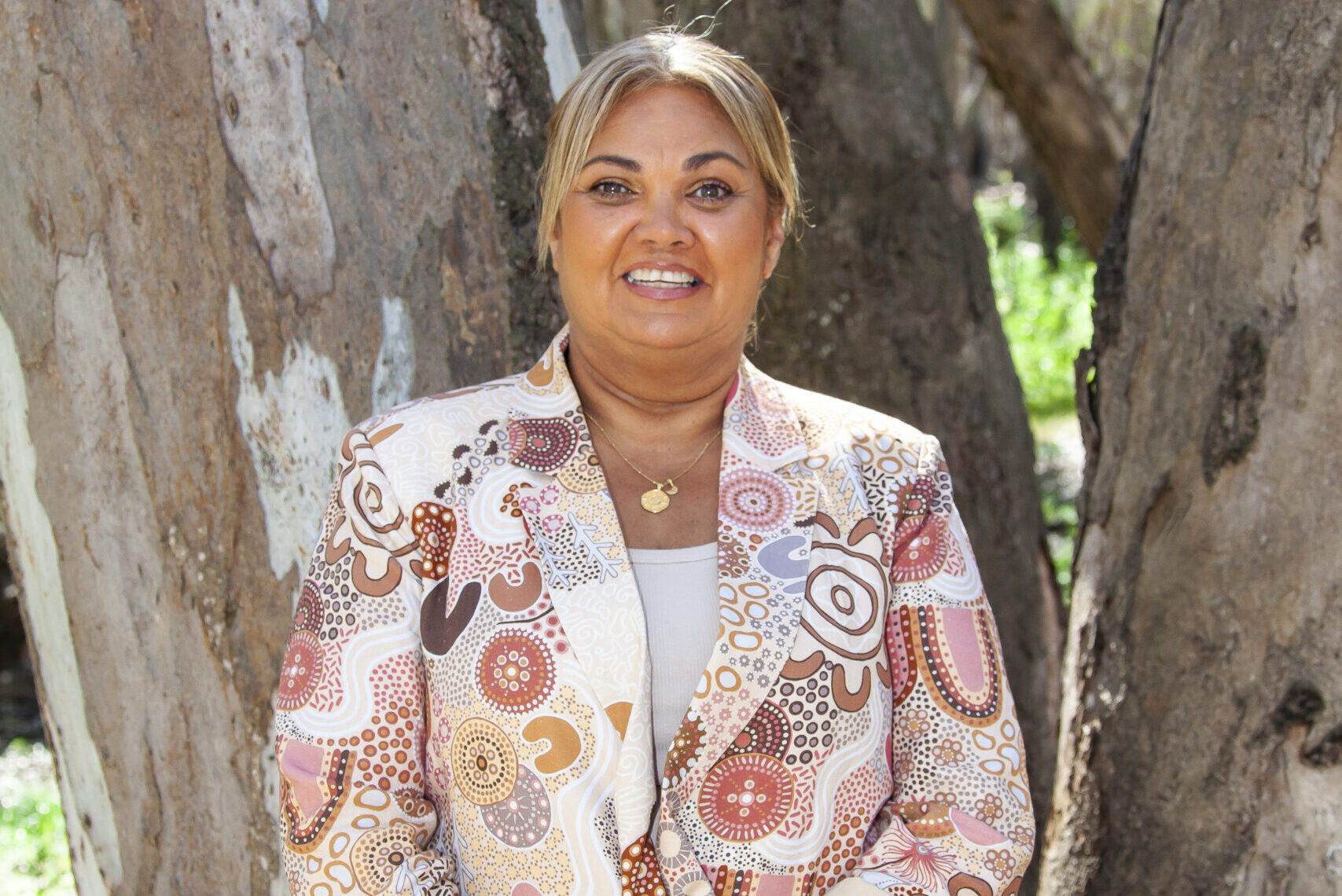
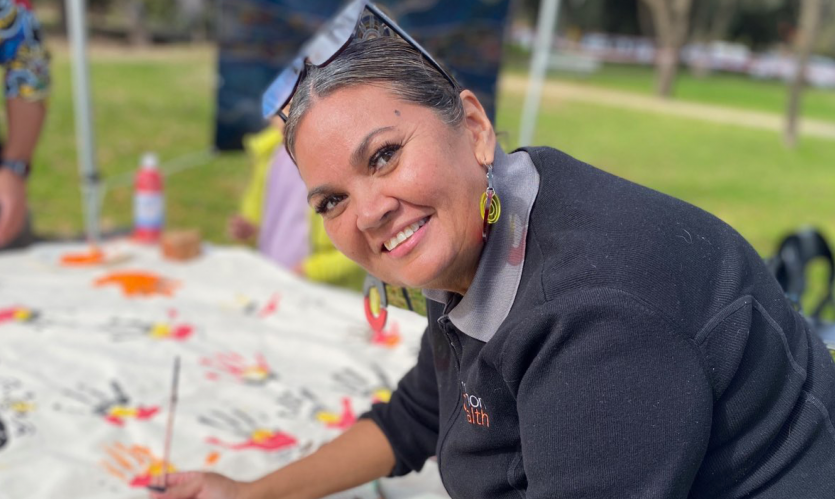
Karen Ingram and Hope Cooper were among those who recently graduated from the program.
Their achievement reflects not only a personal commitment to learning and growth, but also the value of investing in opportunities that strengthen the knowledge, confidence and capability of First Nations staff. The qualification equips graduates with skills to mentor others, contribute to culturally safe workplaces and support stronger networks across workplaces and communities.
A reflection from Hope
"As we celebrate NAIDOC Week 2026, I’ve been reflecting on the opportunity Marathon Health has given me to undertake the Aboriginal and Torres Strait Islander Mentoring Course.
One of the most valuable parts of the experience was learning alongside people from different communities and backgrounds. Through sharing stories, cultural knowledge and lived experiences, we were able to yarn, reflect and grow together.
Mentoring isn’t about having all the answers – it’s about creating a safe space where people feel heard, valued and supported to find their own path.
As NAIDOC celebrates 50 years, I’m grateful for the opportunity to support future generations by sharing knowledge, encouraging others and helping create pathways for future leaders. I look forward to using what I’ve learned to support other First Nations staff on their own journey."
A reflection from Karen
"The theme 50 Years of Deadly celebrates the generations of Aboriginal and Torres Strait Islander Elders, leaders and communities who led the way with strength, courage and determination. Reflecting on the changes I've witnessed throughout my life gives me hope. I've seen greater recognition of our voices, culture and leadership, but those achievements rest on the shoulders of those who came before us.
Completing the Certificate III in Mentoring Aboriginal and Torres Strait Islander People reinforced how important learning, mentoring and personal growth continue to be in our communities. These opportunities help build confidence and create pathways for us to lead, guide and support one another.
We stand here today because those before us never gave up. If we want the next 50 years to be just as deadly, we need to keep showing up, keep learning, keep mentoring and creating opportunities for those who follow behind us. That's how we honour their legacy and ensure our future remains strong."
The mentoring initiative forms part of our broader commitment to supporting First Nations staff, strengthening cultural safety and creating pathways for growth. Graduates are already contributing to work focused on developing an internal mentoring framework that will help support future generations of staff.
As NAIDOC Week celebrates 50 Years of Deadly, it also provides an opportunity to recognise the leadership, knowledge and lived experience that Aboriginal and Torres Strait Islander peoples bring to communities, workplaces and organisations every day.
The theme acknowledges the generations of people who have shared knowledge, strengthened communities and created pathways for those who follow. It is a reminder that leadership takes many forms – from Elders guiding future generations, to community advocates creating change, to mentors helping others navigate their personal and professional journeys.
At Marathon Health, that understanding informs our approach to reconciliation and cultural safety. Through our Innovate Reconciliation Action Plan, Cultural Safety Governance Committee and ongoing engagement with First Nations communities, we continue to strengthen how we listen, learn and work alongside community to improve health and wellbeing outcomes.
NAIDOC Week reminds us that reconciliation is not confined to a single week. Meaningful change is built through ongoing relationships, shared learning and collective action.
As we mark 50 years of NAIDOC, we acknowledge the strength, resilience, leadership and cultural authority that has brought us to this milestone, and we look forward to a future shaped by community, culture and the generations to come.
To learn more about Marathon Health’s commitment to cultural safety, reconciliation and working alongside First Nations communities, visit our Cultural Future page.
More news

Page last updated: 21 September 2026
Back to News