 Search
 Health professionals
 Donate


Ngumbaaydyil: Strengthening cultural safety
Third annual Ngumbaaydyil brings First Nations staff together to strengthen cultural safety
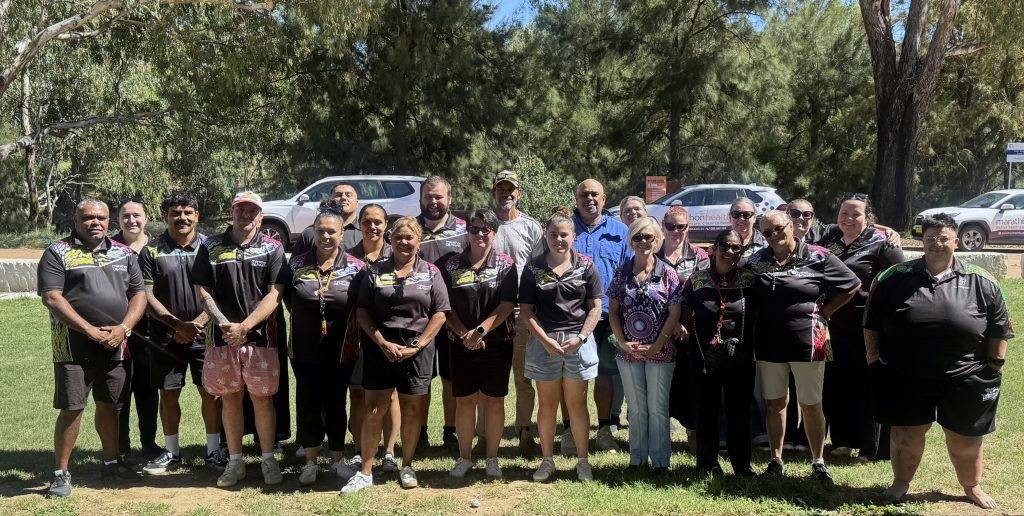
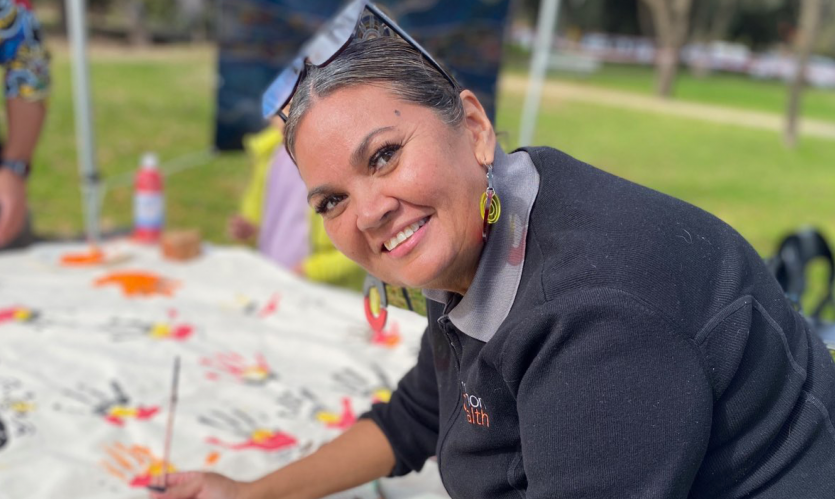
Marathon Health recently hosted Ngumbaaydyil in Dubbo, bringing together First Nations staff from across our footprint to connect, share knowledge and help shape a culturally safe future.
Held over two days at TAFE NSW, Ngumbaaydyil is our annual First Nations gathering. The event provides a dedicated space for First Nations staff to come together, yarn and contribute to conversations that inform our approach to cultural safety and workforce development.
Facilitated by Karen Ingram, Cultural Capability Lead, and First Nations representatives from our Cultural Safety Governance Committee, the gathering highlighted the importance of listening to First Nations voices and working together to create meaningful, lasting change.
“For you new mob, this is some of the best days of your life.”
Eli, Peer Worker headspace Lithgow when speaking about Ngumbaaydyil
Discussions centred around what meaningful allyship looks like in practice and how shared responsibility for cultural safety can be strengthened across Marathon Health. First Nations staff emphasised that allyship centres on trust, listening and mutual acknowledgement.
Staff also had the opportunity to immerse themselves in cultural learning with Aunty Beth and Uncle John from TAFE NSW, and Dean and Dave Peachy from the Dubbo Aboriginal Lands Council.
Insights and priorities identified at Ngumbaaydyil will help guide ongoing work within Marathon Health’s Cultural Safety Framework, supporting culturally safe workplaces, services and partnerships into the future.
We remain committed to listening, learning and working alongside First Nations staff and communities to improve health outcomes and build culturally safe systems of care.
More news

Page last updated: 18 March 2026
Back to News